

By Andrew Tinsley
My first ghost stories came to me across a Vermont road, from a 200-year old cemetery that faced my southerly childhood basement window. I was in the old music room of the original Isle la Motte schoolhouse, complete with a milk crate bed behind the ailing upright piano too large to make the exit when funding left history beneath so much asbestos. Our glass, dead eyes stared at each other like embarrassed teens, daring for the other to make the first move. I moved. I was given permission to clean those gravestones, 50 cents a plinth, and a generous elected official gave me a flat fiver a week. It was 1999, and I promptly used that money to buy Magic: The Gathering cards. It was what I needed, a visual to help represent the world I held in my head; ghastly things across the street, wicked goblins and helpful gnomes in the woods behind, cardboard beings I could hold in my hand and finally feel kin to, tricks be damned and wishes be welcome. The library held the meeting place, an elysium of folklore to be explored where civilization, like I and the dead, could accuse each other with slashes across prison glass about their plights . I found Arthur Rackham there and his watercolors solidified the connection; wistful goblins and faeries, unctuous feasts and poems, sagas of thunder and dragons each begging me to devour them.

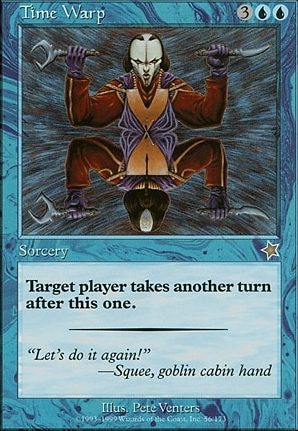
Magic: The Gathering is a card game steeped in folklore. Stories abound on countless planes that reflect the edges of our worlds; hither and thither a fleeting faerie jest or goblin mischief, where eternal Elven beauty and wicked haggish passions play in concert. Many artists and writers have explored the nature of country and story, of plane and passion, oral traditions of tales and songs steeped in mystery, secrets and prayers whispered to jars of milk left by a doorway for protection of hearth and heart.
For almost a year now I have taken to examining the processes, inspirations and relics left by artists in Magic: The Gathering. From Scourge to Strixhaven, Quinten Hoover to Serena Malyon, artist’s contributions to the game have changed and influenced the faces of entire planes. From Hoover’s Darkpact, a lustful and sensory experience to Malyon’s Beyond the Quiet, a cosmic Ophelia floating in bent space, they evoke a time of old myth and new legend, visions of time resting on the shoulders of perfect folklore.